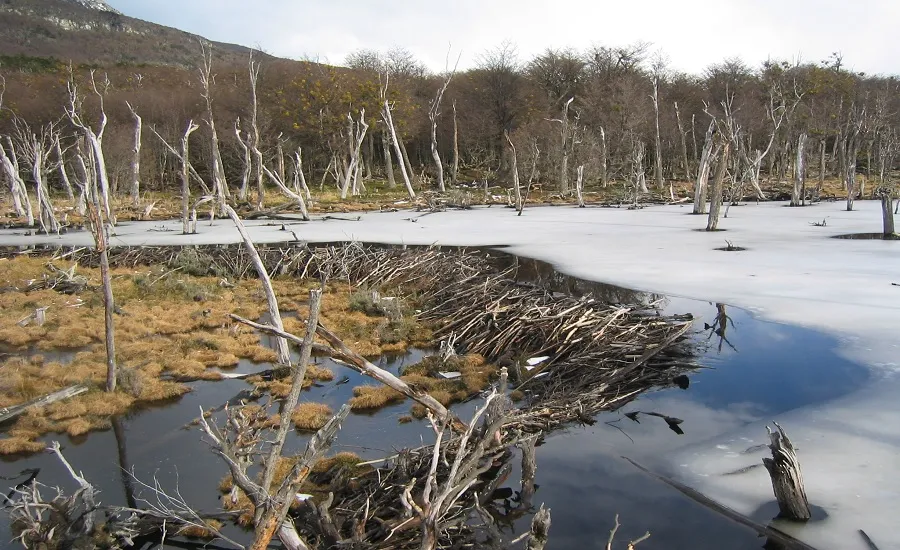
In these days’s hastily converting international, invasive species have emerged as certainly one of the most important threats to global biodiversity. Many humans ask, Why Are Invasive Species Dangerous to the Environment? The solution lies in how the ones non-community organisms disrupt ecosystems, harm nearby species, harm economies, or honestly have an impact on human fitness.
This precise guide explains why invasive species are dangerous to the environment, how they spread, their ecological and economic effects, and what can be done to manipulate them.
Table of Contents
What Are Invasive Species?
Invasive species are flowers, animals, insects, or microorganisms which are brought intentionally or by means of chance into an environment in which they do not obviously belong and purposely harm.
Key Characteristics of Invasive Species
- Non-native to the environment
- Rapid reproduction and unfold
- Few natural predators
- Outcompete native species for sources
👉 This is the inspiration for knowledge why are invasive species dangerous to the environment.
Why Are Invasive Species Dangerous to the Environment? (Core Explanation)
Invasive species are unstable due to the fact they disrupt herbal balance. Ecosystems evolve over heaps of years, and invasive organisms do not comply with those natural recommendations, leading to prolonged-time period damage.
1. Invasive Species Cause Loss of Biodiversity
One of the most powerful reasons why invasive species are volatile to the surroundings is their function in extinction of close by species.
How This Happens
- Invasive species outcompete neighborhood species for meals, water, and refuge
- Native species lack defenses closer to new predators or sicknesses
- Over time, neighborhood populations decline or disappear
📌 Fact: Invasive species are accountable for almost 40% of threatened or endangered species globally.
2. They Disrupt Entire Ecosystems
Ecosystems characteristic like interconnected webs. When invasive species input, they spoil these connections.
Environmental Disruptions Include
- Changes in soil composition
- Altered water cycles
- Disruption of pollination structures
- Imbalance in meals chains
This explains surely why are invasive species dangerous to the environment past simply killing individual species.
3. Invasive Species Spread Rapidly Due to Lack of Predators
Native ecosystems commonly keep species in check through predators and competition. Invasive species regularly have no natural enemies, letting them multiply uncontrollably.
Examples
- Invasive plant life grow quicker and block daytime
- Invasive animals reproduce at unnatural prices
- Invasive insects smash flora unchecked
➡️ This unchecked increase is an amazing reason why invasive species are dangerous to the surroundings.
4. They Damage Soil and Water Systems
Some invasive plants and animals bodily change landscapes, making habitats improper for local lifestyles.
Environmental Damage
- Increased soil erosion
- Reduced water excellent
- Altered nutrient cycles
- Destruction of wetlands and forests
📌 Healthy ecosystems = easy air, fertile soil, and easy water. Invasive species threaten all three.
5. Invasive Species Threaten Agriculture and Food Supply
Another primary motive why invasive species are risky to the surroundings is their effect on farming and meals systems.
Agricultural Impacts
- Destroy plant life and cattle
- Spread plant and animal illnesses
- Increase pesticide use
- Reduce meals production
💰 Billions of bucks are out of place each yr because of invasive species harm.
6. They Affect Human Health
Many invasive species are not just an environmental hazard, they’re moreover a public fitness risk.
Health Risks Include
- Spread of ailments (malaria, Lyme sickness)
- Increased allergens
- Contaminated water resources
- Dangerous plants and fauna encounters
👉 This makes why are invasive species risky to the environment a human hassle, now not just an ecological one.
Major Reasons Why Invasive Species Are Dangerous to the Environment (Table)
| Impact Area | How Invasive Species Cause Harm |
|---|---|
| Biodiversity | Cause extinction of native species |
| Ecosystems | Disrupt food chains and habitats |
| Soil & Water | Increase erosion and pollution |
| Agriculture | Destroy crops and livestock |
| Economy | Billions spent on control and damage |
| Human Health | Spread diseases and allergens |
Real-World Examples of Dangerous Invasive Species
1. Kudzu Vine (USA)
- Grows up to at least one foot consistent with day
- Smothers wood and flowers
- Alters soil nutrients
2. Zebra Mussels
- Clog water pipes
- Outcompete local aquatic species
- Damage freshwater ecosystems
3. Cane Toad (Australia)
- Poisonous to predators
- Causes decline in local plant life and fauna
These examples honestly reveal why invasive species are unstable to the environment globally.
How Do Invasive Species Spread?
Understanding unfold lets in provide a cause of why invasive species are dangerous to the surroundings on an international scale.
Common Spread Methods
- International trade
- Travel and tourism
- Ballast water from ships
- Pet release
- Agricultural shipping
🌍 Globalization has extended invasive species spread faster than ecosystems can adapt.
Long-Term Environmental Consequences
If invasive species aren’t controlled, the harm may be everlasting.
Long-Term Effects
- Irreversible surroundings disintegrate
- Permanent species extinction
- Reduced surroundings offerings
- Climate resilience loss
⚠️ Once set up, invasive species are fantastically hard and highly-priced to put off.
How Can Invasive Species Be Controlled?
While prevention is super, manage techniques exist.
Effective Control Methods
- Early detection and speedy reaction
- Public recognition packages
- Biological control (herbal predators)
- Strict import guidelines
- Habitat restoration
📌 Prevention charges some distance a good deal much less than long-time period harm repair.
Why Are Invasive Species Dangerous to the Environment? – Key Takeaways
- They break biodiversity
- They modify ecosystems completely
- They harm agriculture and economies
- They pose dangers to human fitness
- They weaken climate resilience
These combined impacts absolutely solve why invasive species are unstable to the surroundings.
Summary
Invasive species are dangerous to the environment because they disrupt ecosystems, motivate biodiversity loss, damage agriculture, threaten human health, and create monetary losses. Their fast spread and lack of natural predators cause them to be one of the most extreme worldwide environmental threats these days.
Main questions to ask on this “Why Are Invasive Species Dangerous to the Environment?“
1. Why are invasive species risky to the surroundings?
Ans. Invasive species outcompete neighborhood organisms, disrupt ecosystems, reduce biodiversity, and motive lengthy-term environmental damage.
2. Are invasive species generally harmful?
Ans. Yes. A species is labeled invasive simplest whilst it reasons environmental, monetary, or fitness harm.
3. How do invasive species affect native animals?
Ans. They lessen meals availability, introduce ailments, and regularly act as new predators nearby species cannot live on closer to.
4. Can invasive species be eliminated absolutely?
Ans. In some cases, yes however maximums are quite tough and pricey to take away once established.
5. What is the exceptional manner to prevent invasive species?
Ans. Prevention, early detection, strict rules, and public focus are the most effective answers.